Omni 3.0
Transforming fragmented tools into cohesive experiences with the Omni platform
Company
Annalect
Role
Lead UX/UI Designer
Duration
6 months

Competitive Analysis
Media & Advertising Landscape
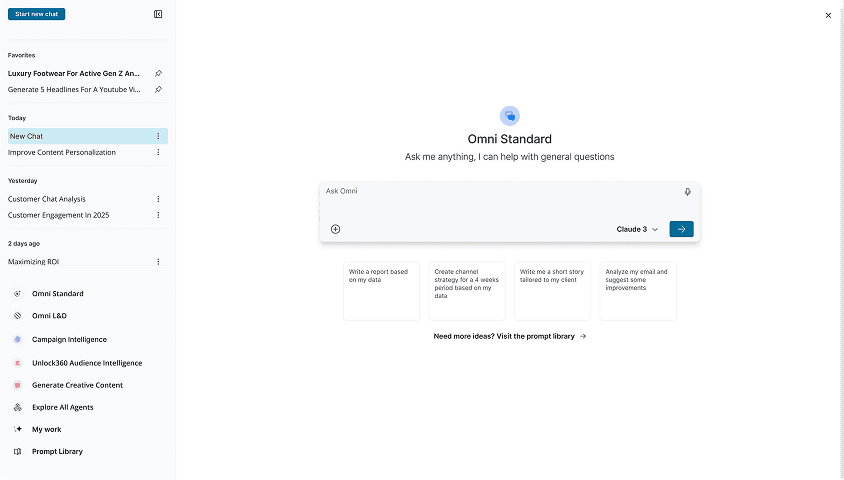
Through competitive analysis of media and advertising platforms, we observed a clear industry shift toward AI-driven experiences. Generative AI is increasingly central to campaign creation - streamlining workflows through conversational interfaces and outcome-oriented actions. These patterns reinforced the need for Omni to embed AI not just as a feature, but as a strategic layer that accelerates user goals and simplifies complex tasks.
Cross-Industry Inspiration
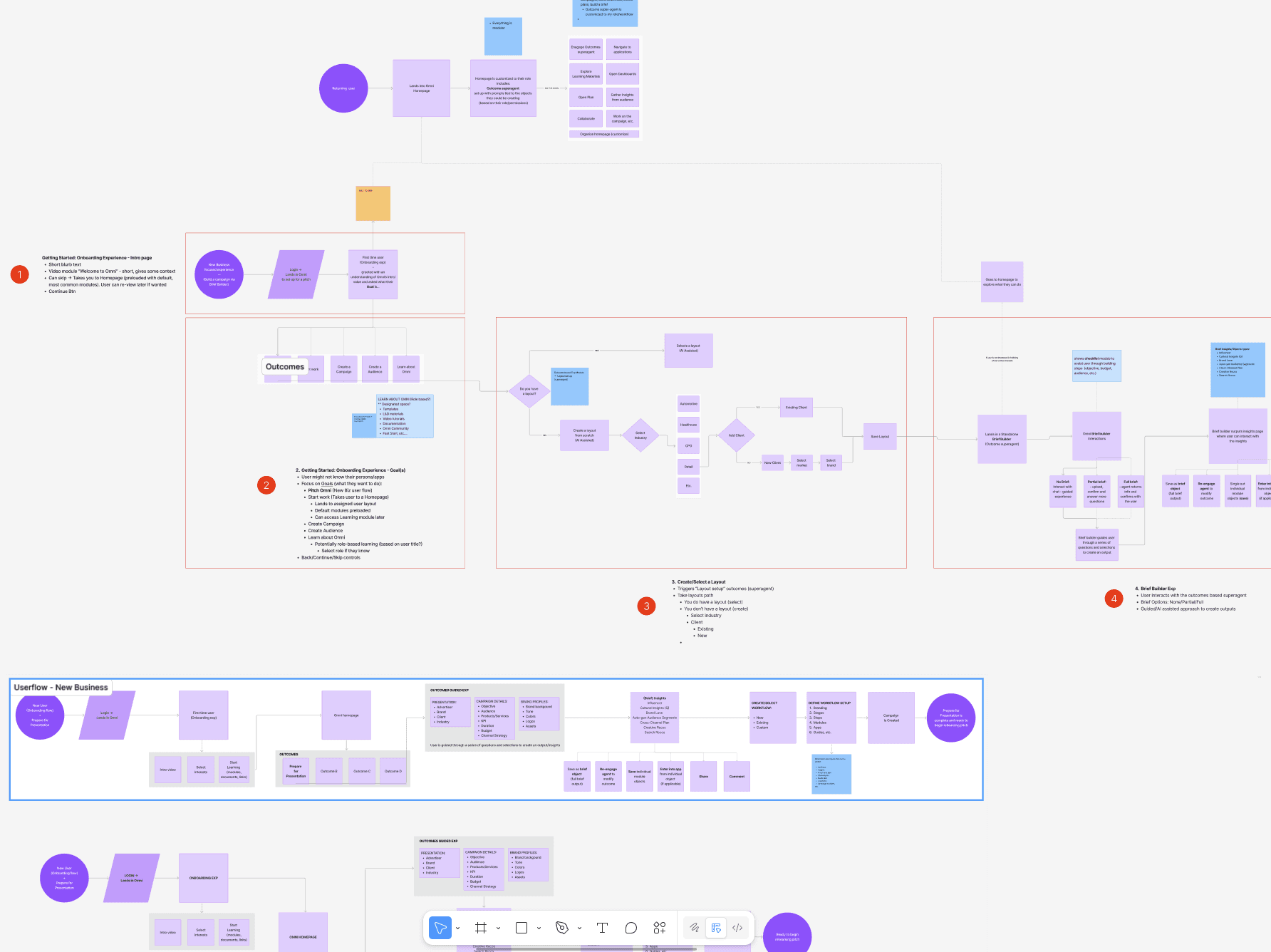
We also drew insights from adjacent ecosystems like Microsoft 365, Adobe, and Canva - leaders in managing multi-product platforms. Their approaches to unified navigation, shared design systems, and role-based customisation helped inform our strategy for creating a cohesive, scalable experience across Omni’s 15+ applications.
User Research Insights
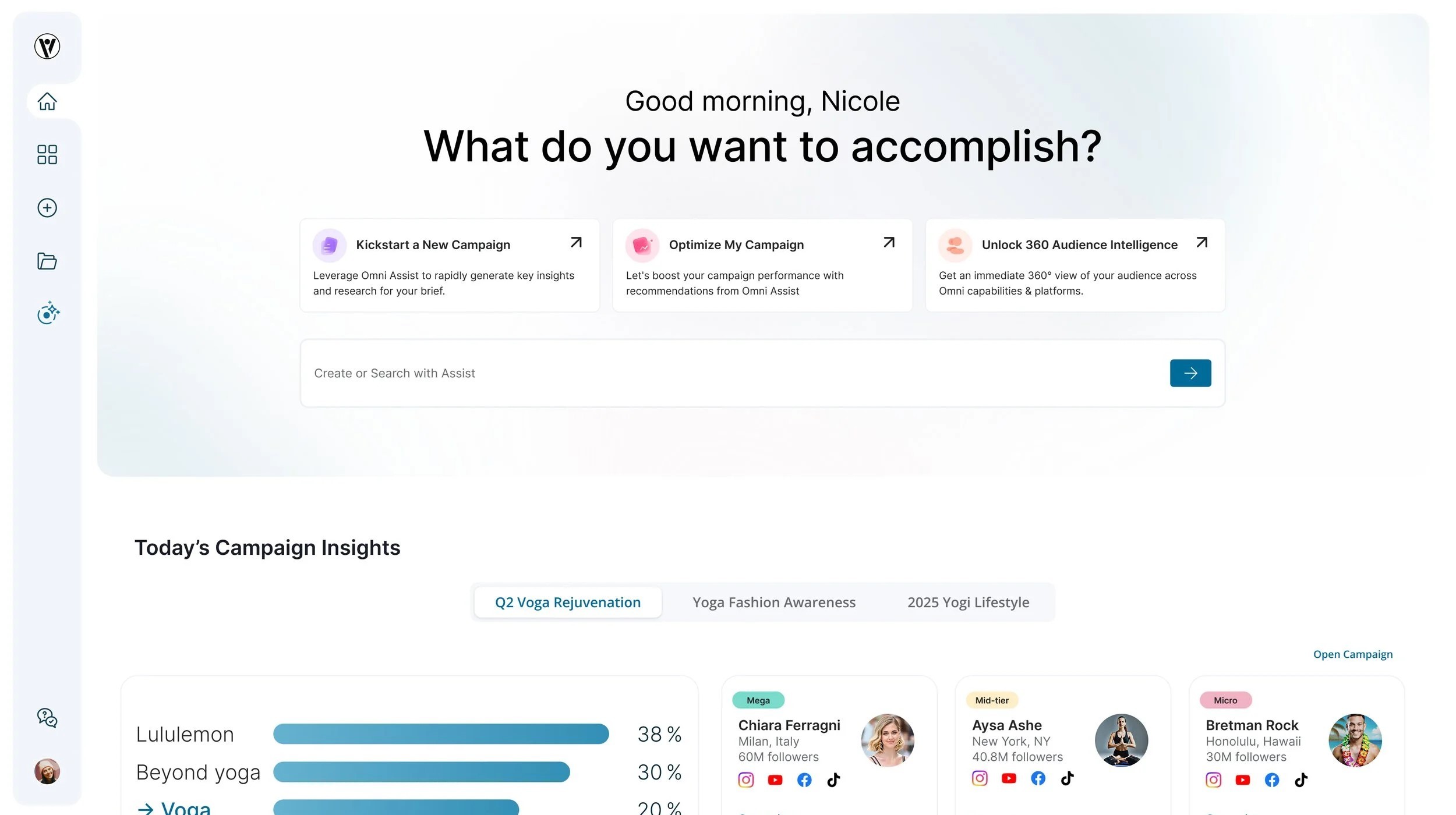
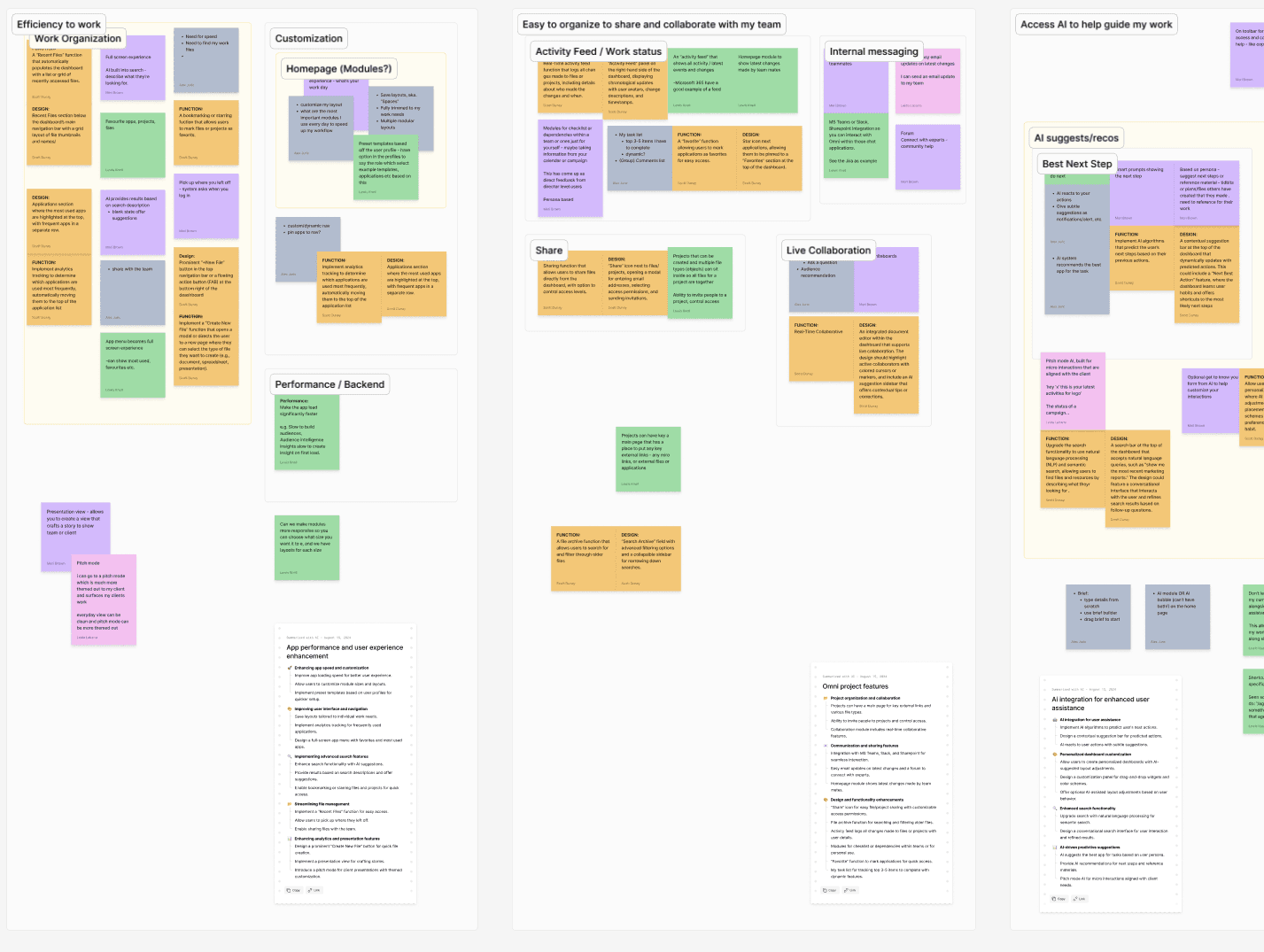
Through user interviews, usability testing, and observational studies, we uncovered key opportunities to enhance the portal (landing page) experience and better support the diverse roles within client campaign teams. Our research highlighted the need for:
Role-aware personalisation: Understanding users’ roles, teams, and deliverables to tailor the interface and surface relevant actions.
Customisable workspaces: Giving users control to organise their tools, tasks, and views based on their workflow preferences.
Contextual collaboration: Embedding opportunities for team interaction directly within campaign flows to reduce fragmentation.
AI-powered acceleration: Leveraging AI to streamline repetitive tasks, surface insights, and improve campaign outcomes through smarter guidance.
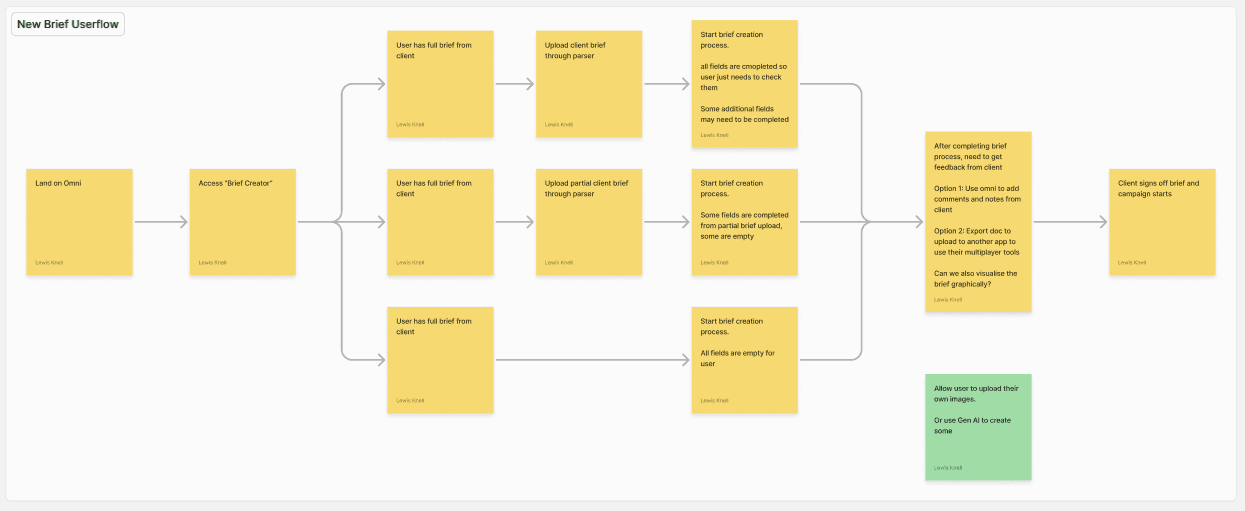
These insights directly informed our design strategy for a more intuitive, efficient, and scalable platform experience.
Testing
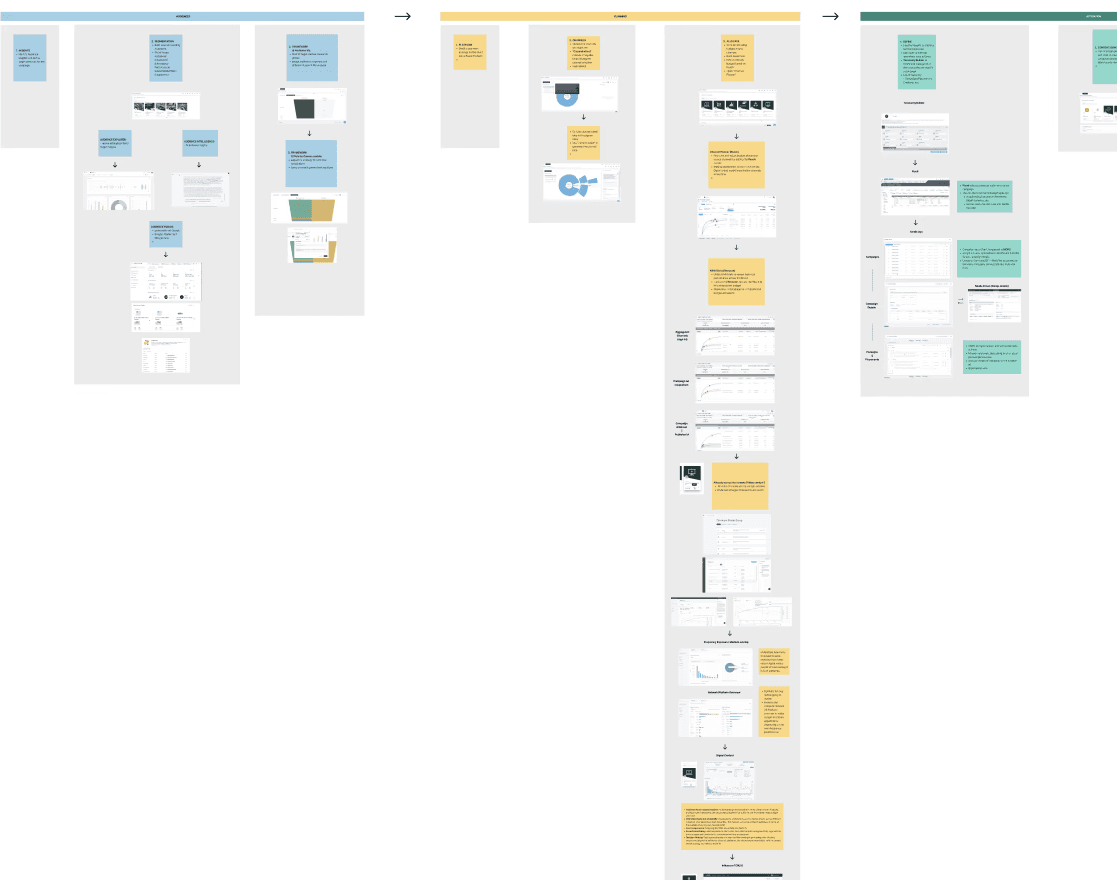
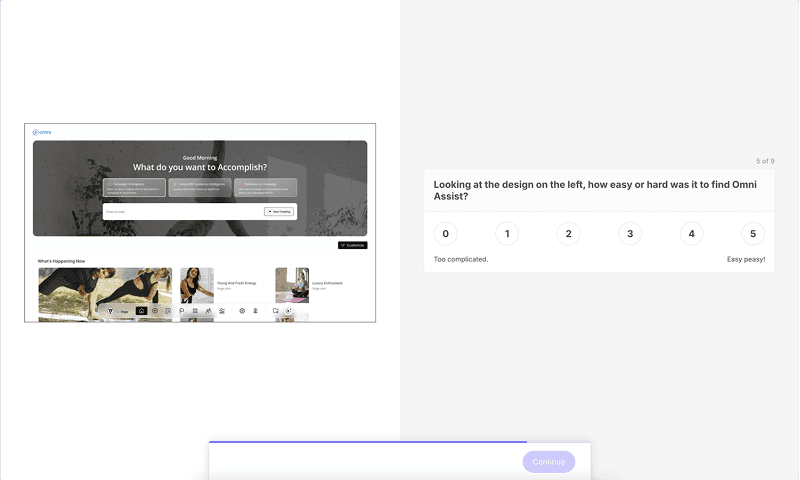
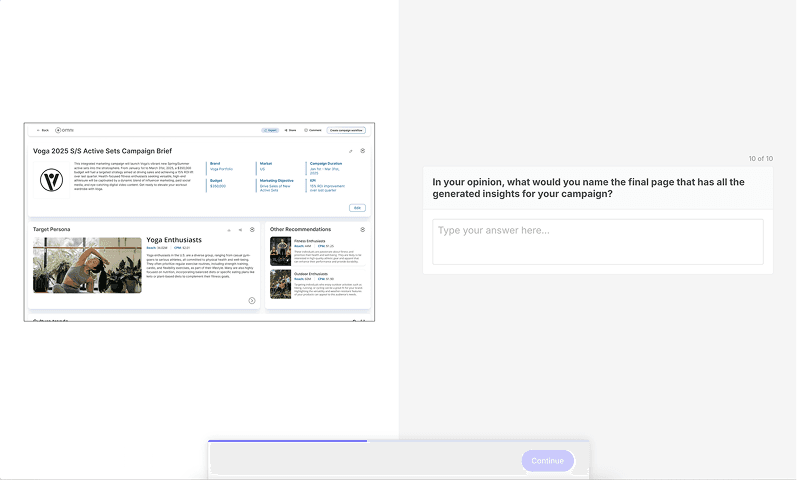
To validate design decisions and uncover usability issues early, we conducted unmoderated user testing using UseBerry. This allowed us to simulate real user interactions with interactive prototypes and gather both quantitative and qualitative feedback.
Key outcomes included:
Task completion insights: Identified drop-off points and friction in key flows, such as campaign setup and navigation between tools.
Time-on-task metrics: Measured efficiency improvements in redesigned flows compared to the legacy experience.
User sentiment: Collected open-ended feedback that uncovered both frustrations and moments of delight across key interactions.
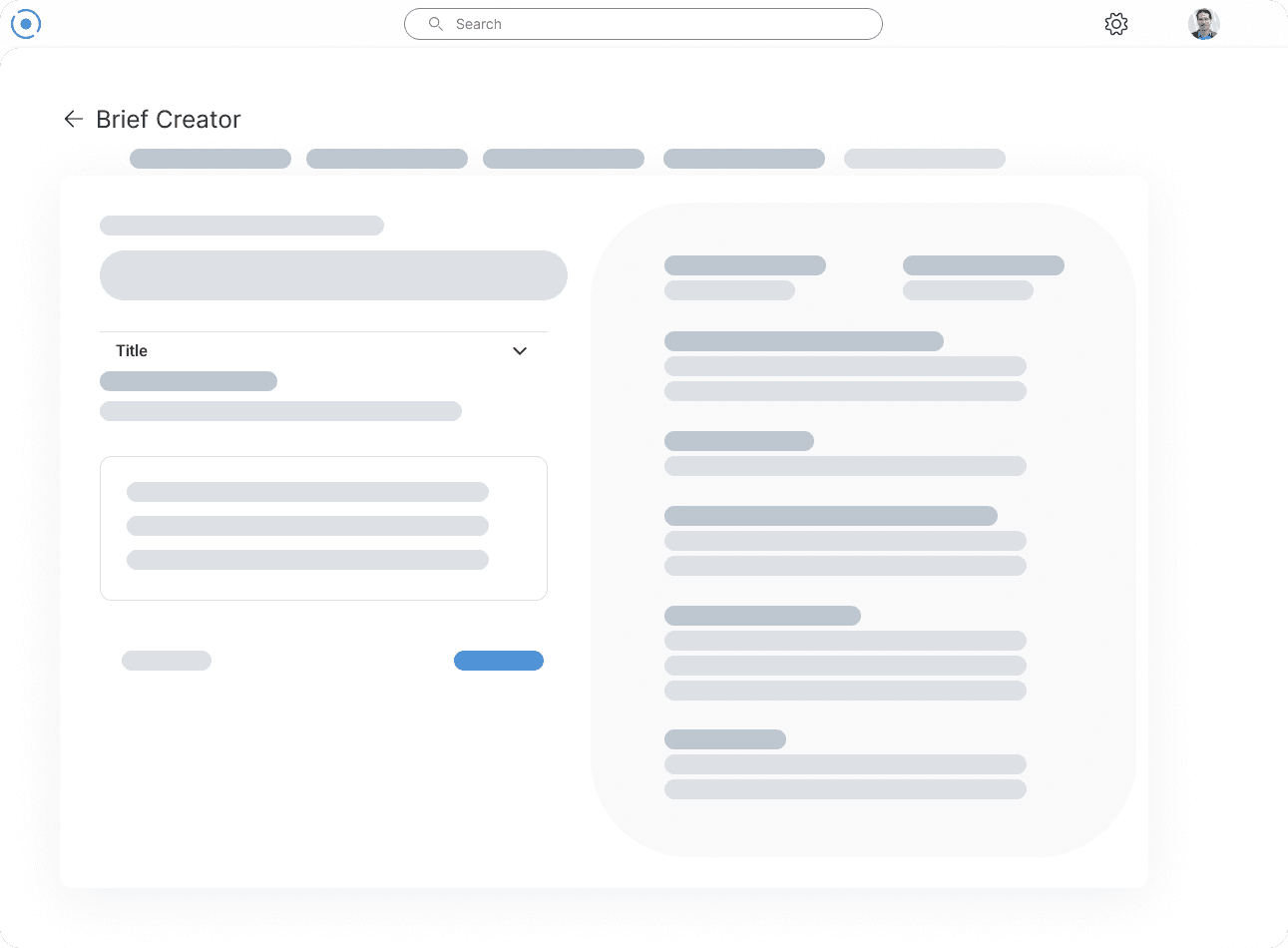
These insights directly informed iterative design updates, helping us fine-tune the landing experience, streamline workflows, and ensure the platform met the needs of the different user personas.
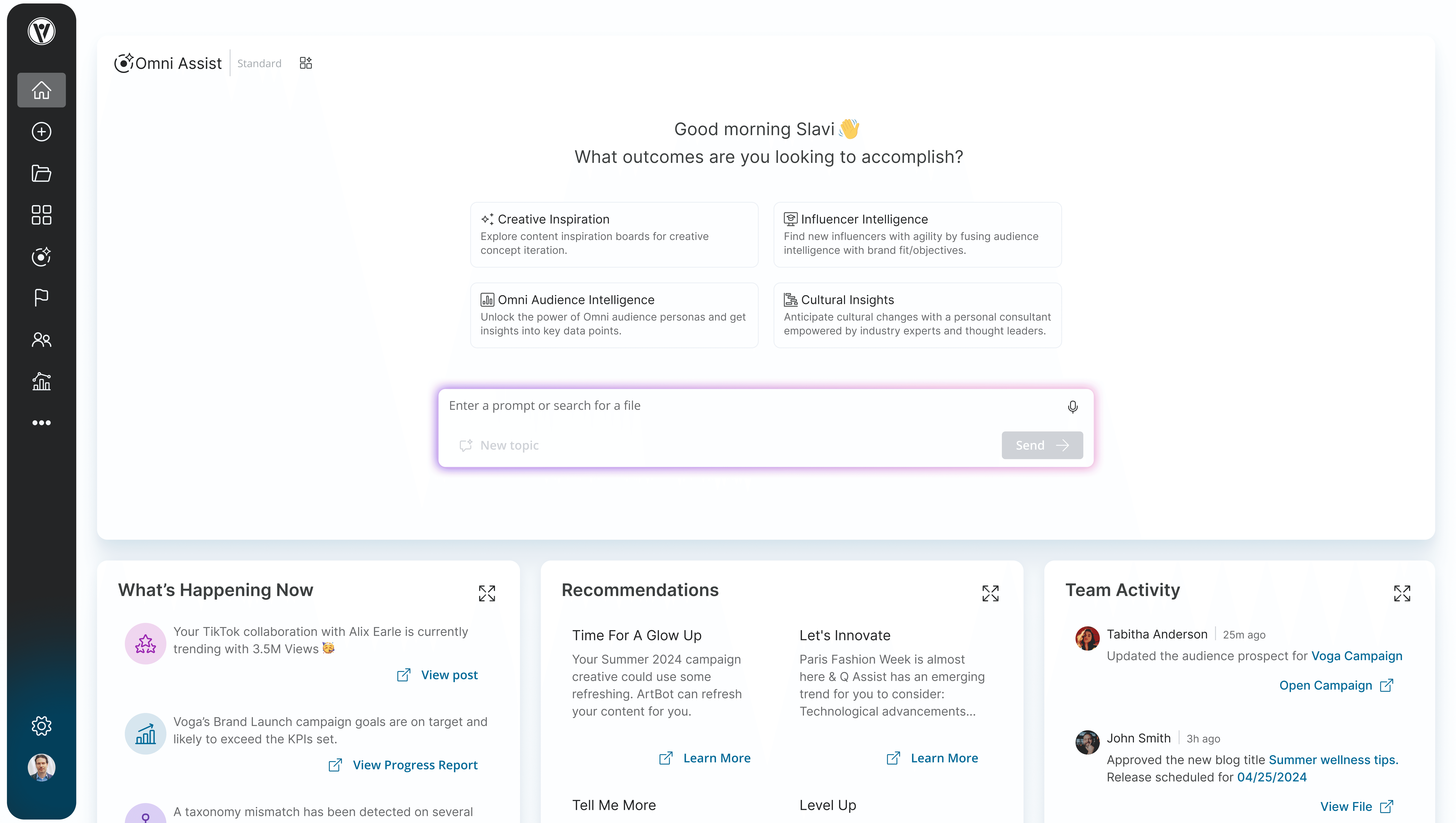
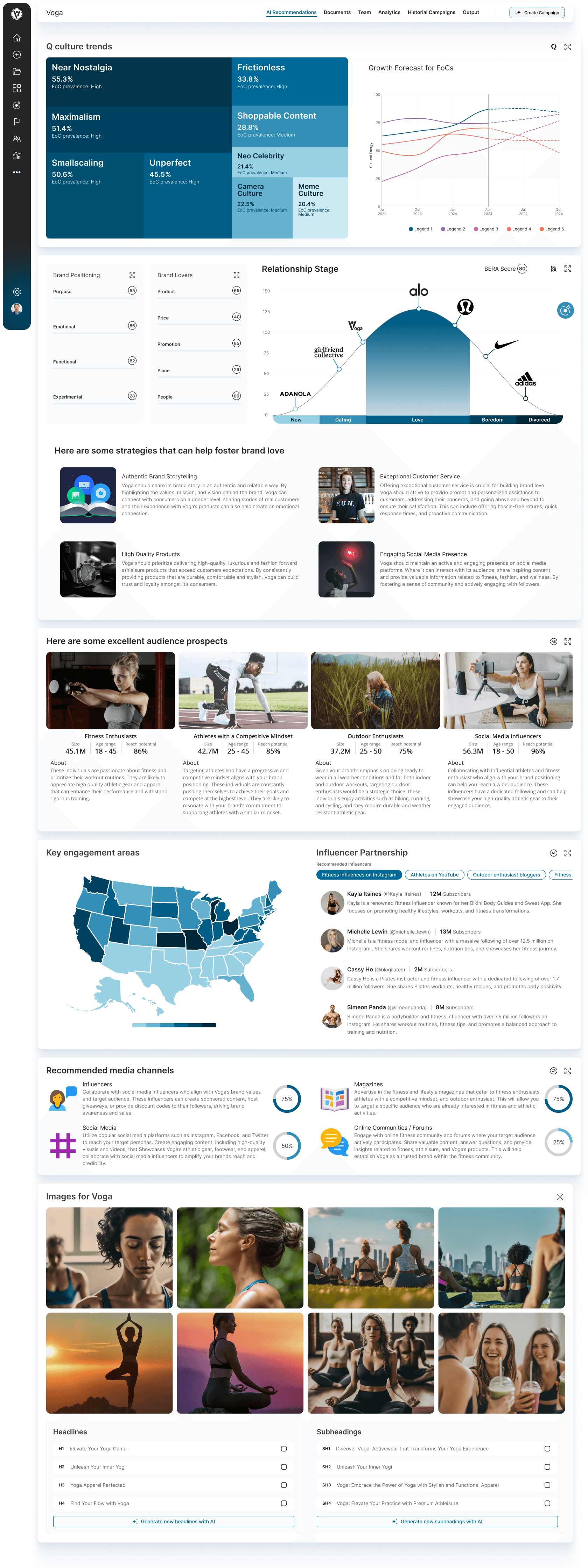
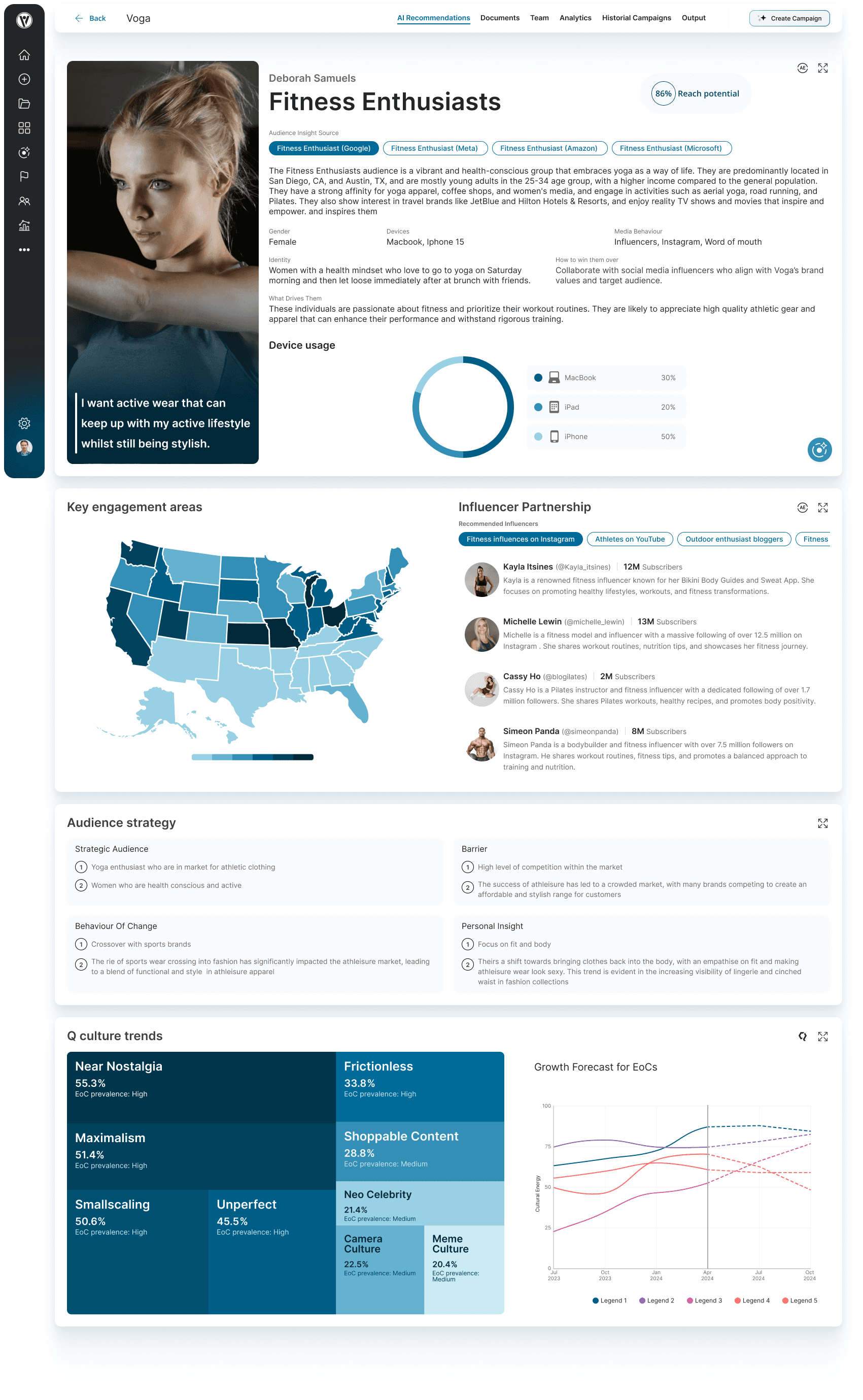
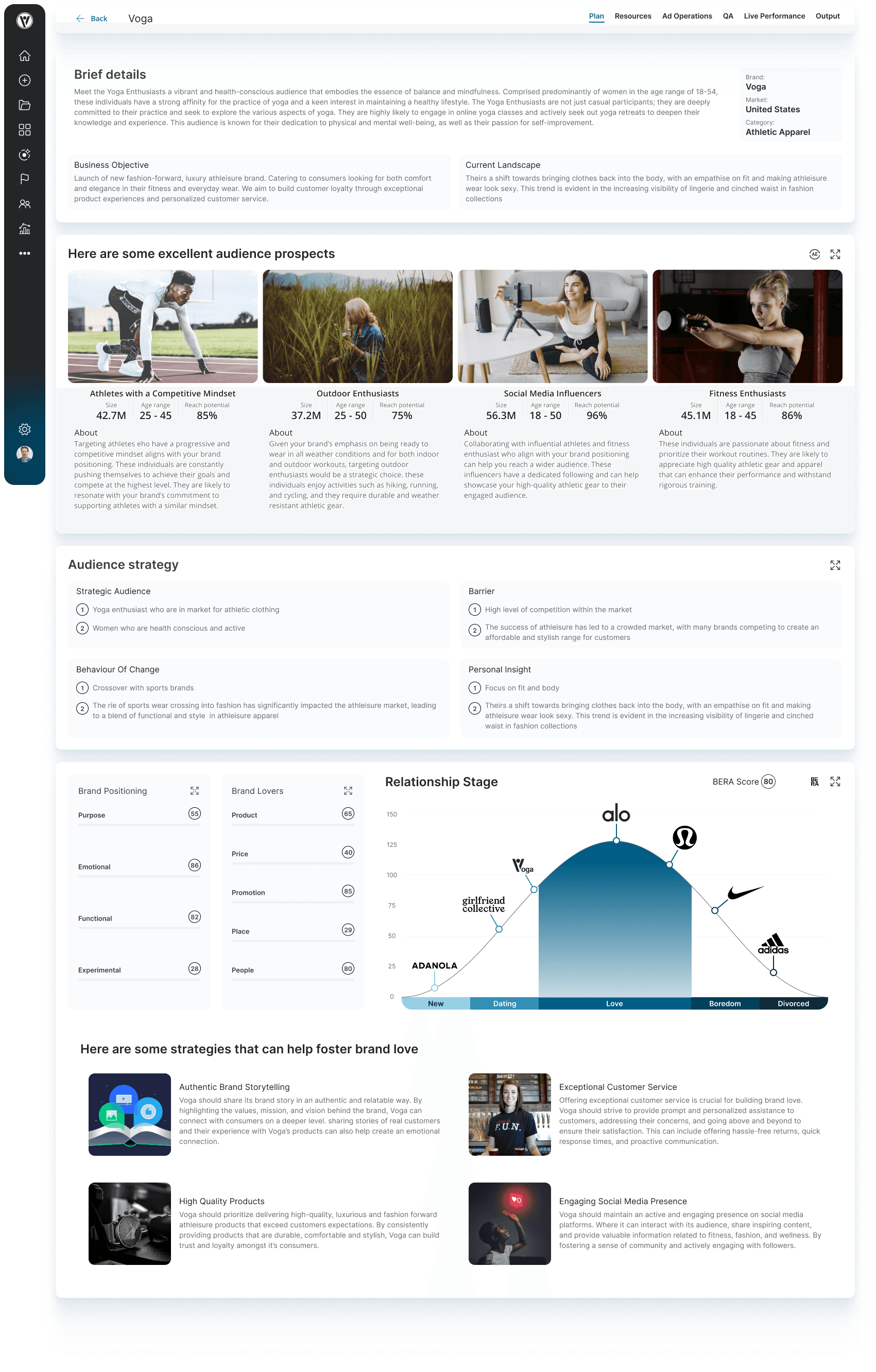
Final Deliverables
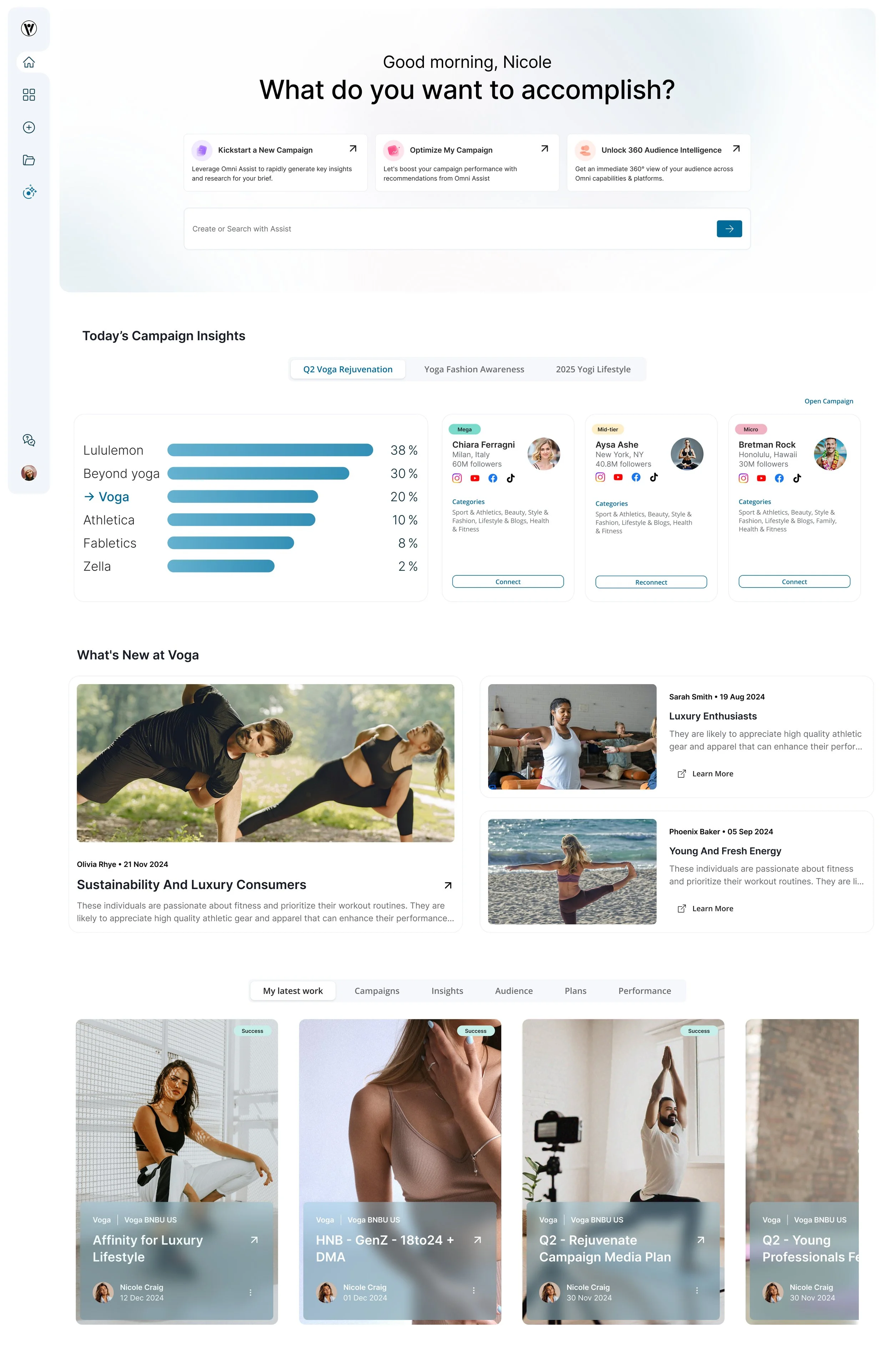
Results
94% preferred the new experience
68% Increase in efficiency